
Every day minorities are discriminated against in life, but are they also discriminated against in death? Are they discriminated against as workers in the death care industry?
This Florida Funeral Director and Embalmer reports with great destain, “Yes, they are”.
I’m not only going to tell you how to protect yourself; I want to give you real-life examples of why you should.
- I’ve heard people in this industry speak ill of suicide victims while embalming them.
- I’ve seen people in this industry not want to serve people of certain faiths.
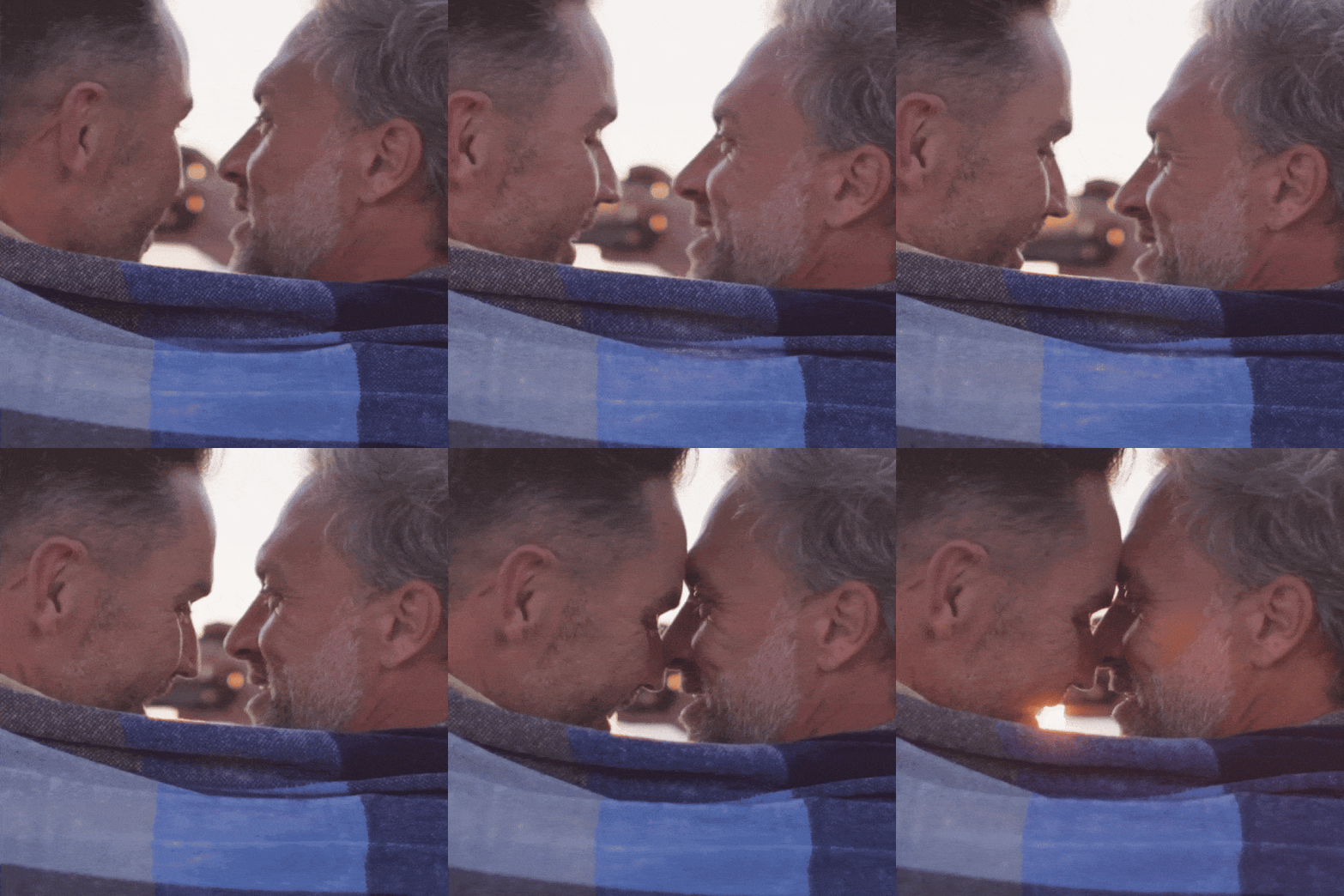
- I’ve witnessed people in this industry be transphobic, homophobic, and straight-up racist behind the backs of families and coworkers.
- I’ve experienced the cruelty firsthand.
I’ve had another woman in the industry say to me,
“Women shouldn’t be doing this anyway. Do something else.”
Even with women currently taking over the death care industry, there is still a plethora of men holding positions as well as women who are stuck in older, misogynistic mindsets.
With all that said, there are still so many wonderful people in this industry, which is why it’s important to do your research.
The best way to look out for yourself when thinking about your death plan is to make a preneed.
Even if you don’t have it paid in full, it makes sure your designated person knows exactly what you want and where to go. If you do pay it off, it’ll lock in today’s prices to protect you financially. Funeral costs go up every year without fail.
When you make the contract, you’ll meet with a preneed advisor and should be able to get a feel for the service. If you don’t like how it feels, go elsewhere! Shop around till you are comfortable. A need will also document who your designated person is, which can save a lot of headaches later with other family members trying to get involved.
It will also have your chosen name and gender information on it.
(Although the death certificate will still have to be submitted as whatever the legal name and gender is on the government record.)
Partner, life partner, boy/girl friend, etc. are also not options listed for the informant of the death certificate. I once had to put a man’s life partner down as ‘friend’ because they were not legally married; I couldn’t write ‘spouse.’. Making a will with a solicitor who specializes in probate would be your best bet if you are not wanting to get married or you are single, in my opinion. It doubles down on who you want in charge, what your wishes are, and can include distribution of your assets. Having a preneed and a will is the best-case scenario to protect yourself.
In terms of who calls the shots if you die without a preneed or a will, that can get tricky legally, so here’s how it goes in Florida (and I expect, in the UK too).
If you are single or divorced, that means your parents or adult children are legally responsible for your funeral arrangements. If your parents are deceased and you have no living children, it just goes down the line of kinship.
If you are legally married, congratulations. Your spouse calls the shots, and I’m guessing that’s fine with you. BUT if you are not married, it does not matter how long you have been with your partner; common law is not a thing. Power of attorney also means nothing after your loved one passes, although it is a wonderful tool in making sure your medical wishes are carried out correctly.
My advice to anyone who is concerned and wants to make a death plan is to talk it out with their person. Look out for your best interest and take the time to think of what you truly want.
Article by Carolyn M Searls.


